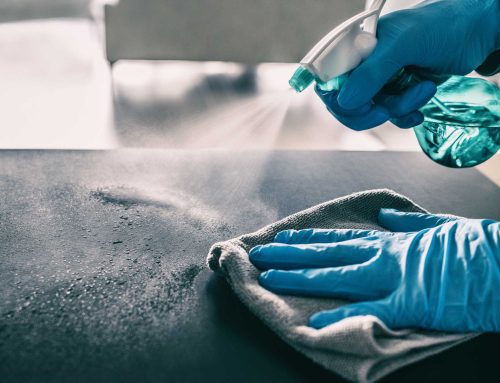
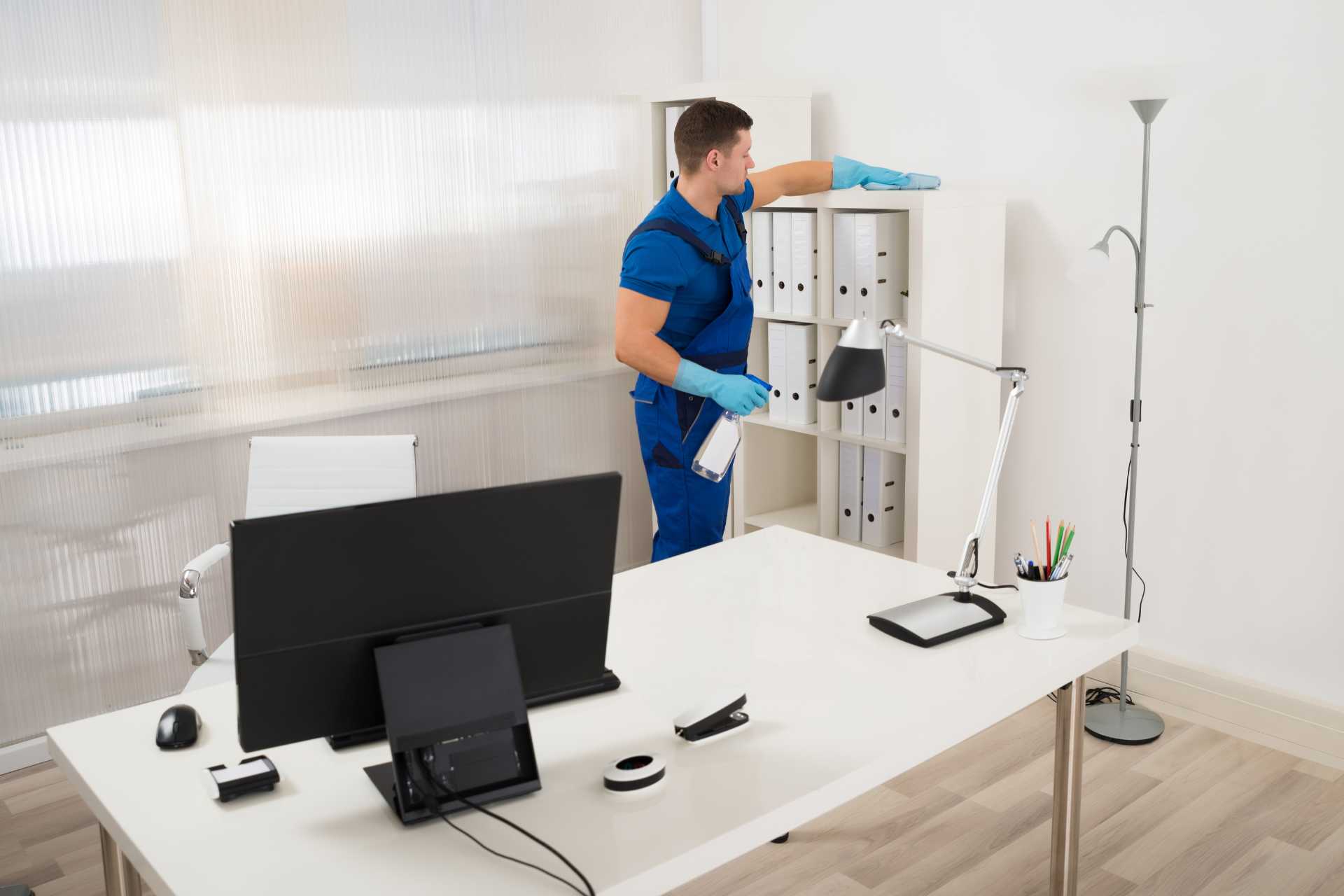
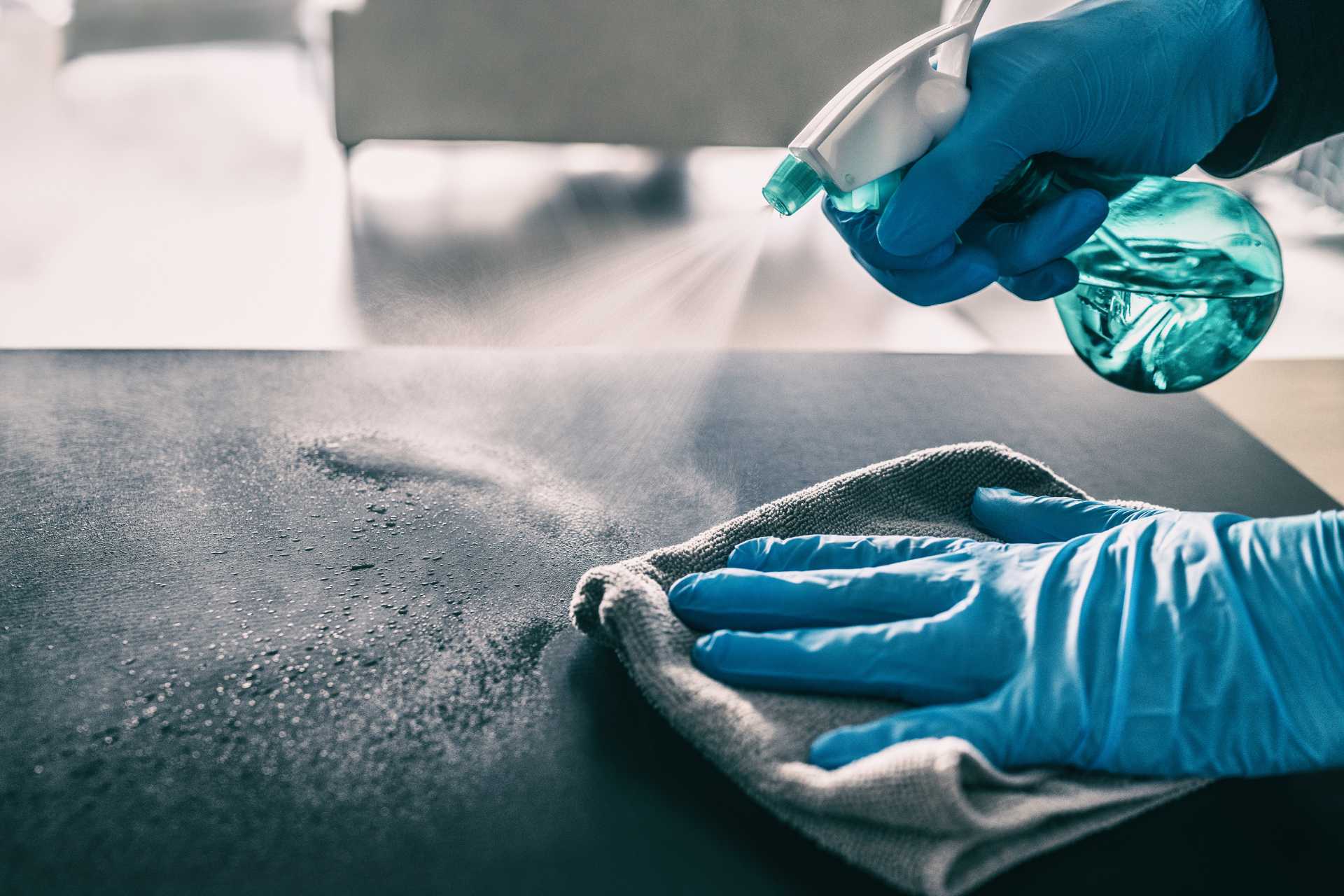
In the professional maintenance industry, there is a dangerous misconception that “visual” cleanliness is the same as “biological” cleanliness. We have all seen it: a cleaning professional or employee sprays a countertop and immediately wipes it dry with a microfiber cloth. The surface is shiny, the streak-marks are gone, and to the casual observer, the area is “clean.”
However, in the eyes of a public health inspector or a facility manager, that surface may still be a biohazard.
The truth is that your facility is not truly clean until it has been properly disinfected, and disinfection is not an instantaneous event. It is a chemical process that requires a specific, uninterrupted window of opportunity to work. To bridge the gap between looking tidy and being truly sanitary, you must master the most critical variable in the sanitation equation: dwell time.
What Exactly is Dwell Time?
Dwell time, often referred to as “contact time” is the amount of time a disinfectant must remain visibly wet on a surface to effectively kill the bacteria, viruses, and fungi listed on its label.
Disinfection is a chemical reaction, not a magic trick. Just as you wouldn’t pull a cake out of the oven after five minutes and expect it to be done, you cannot spray a surface and immediately wipe it dry. When using professional industrial cleaning supplies, the active ingredients need that specific window of time to break down the cell walls of bacteria or the outer membranes of viruses.
Not All Formats are Created Equal
Depending on the task at hand, your choice of industrial cleaning supplies will dictate how you manage dwell time. Each format has its own set of rules:
- Liquid Sprays: These are the workhorses of any janitorial team. The challenge here is the “spray and wipe” habit. To be effective, the surface must stay saturated. If you are cleaning a large area, spray several sections at once to allow the first section to “dwell” while you treat the rest.
- Aerosols: These are excellent for complex surfaces like door handles or gym equipment. Because the mist is fine, it is easy for it to evaporate too quickly. Ensure you apply a heavy enough coating so it doesn’t dry before the “kill time” is reached.
- Disinfecting Wipes: Perhaps the most misused tool in the shed. Many people use a single wipe for an entire boardroom table. By the time you reach the end of the table, the surface is barely damp. To meet Canadian health standards, you may need to use multiple wipes to ensure the surface stays wet for the duration required.
Why Quality Matters: The Role of Industrial Cleaning Supplies
There is a significant difference between the spray bottles found at a grocery store and professional industrial cleaning supplies.
Professional-grade formulas are specifically engineered with “wetting agents” that help the liquid spread evenly and stay wet longer. This is particularly important during Canadian winters, when dry indoor heating systems can cause liquids to evaporate prematurely. By investing in high-quality industrial cleaning supplies, you ensure that the product stays “active” on the surface long enough to do its job, protecting your staff and visitors from outbreaks of the flu, norovirus, or other seasonal illnesses.
Best Practices for Facility Managers
To ensure your team is hitting the mark, implement these three simple rules:
- The “Clean First” Rule: You cannot effectively disinfect a dirty surface. Dirt and organic matter act as a shield for germs. Always use a general cleaner to remove debris before applying your disinfectant.
- Check the Label: Dwell times vary wildly. One product might require 30 seconds for sanitization but a full 10 minutes for heavy-duty disinfection. Always follow the manufacturer’s instructions to the letter.
- The “Circle Back” Method: Train your staff to spray a row of surfaces first, then wait, and only circle back to wipe them down once the required dwell time has elapsed.
The “Spray and Wipe” Trap
The “spray and wipe” habit is the enemy of a healthy building. When you use professional janitorial supplies, you are deploying a sophisticated chemical solution designed to neutralise specific threats like Norovirus, Influenza, or MRSA. But these pathogens are resilient. They possess protective cell walls and protein coats that don’t just vanish upon contact.
If you wipe a disinfectant away before it has reached its required dwell time, you aren’t disinfecting; you are simply “moving” live germs around the room. By understanding and enforcing dwell time, you move beyond the illusion of hygiene and begin cleaning for the actual health and safety of your Canadian workforce.
At the end of the day, the goal of any maintenance program is to provide a safe environment. By respecting dwell time and using the right industrial cleaning supplies, you move beyond the “illusion of clean” and achieve a standard of safety that truly protects everyone in your building. At CleanSource we carry a wide variety of industrial cleaning supplies, including disinfectants in every format. If you have any questions about disinfectants or need personalized recommendations, visit our website at cleansourceinc.com or give us a call (905) 629-5006 to connect with one of our experts.