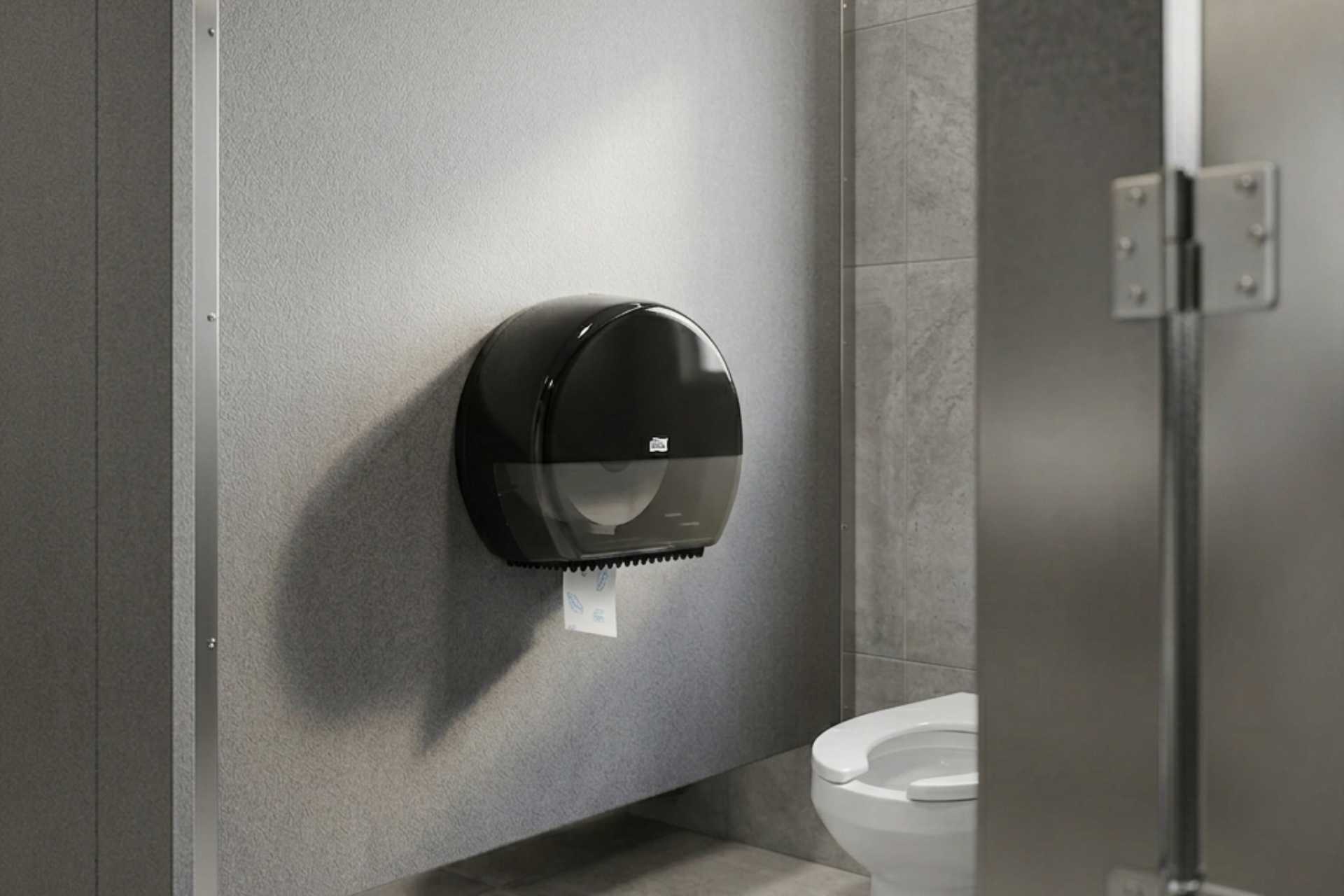
Walk into any commercial facility, whether an office building, fitness centre, school, or retail centre and one room will heavily dictate your overall impression of the entire space: the washroom. Research consistently shows that negative washroom experiences directly impact customer satisfaction, brand perception, and employee morale. Yet, despite daily cleaning schedules, high-traffic commercial washrooms face a continuous barrage of organic waste, leading to persistent, unpleasant smells.
When foul odours strike, the standard reaction for many facility teams is to quickly spray an aerosol air freshener or hang a heavily scented fragrance block. However, this cosmetic quick fix often backfires, creating a cloying mixture of artificial perfume and underlying organic stench.
To maintain a genuinely clean, hygienic environment, commercial spaces must shift away from temporary masking agents and implement a comprehensive, molecule-level neutralization strategy.
The Chemistry: Masking vs. Molecule Neutralization
To understand why standard air fresheners fail, it helps to examine what causes washroom odours in the first place. The primary culprits are volatile organic compounds (VOCs), including ammonia, uric acid salts, hydrogen sulfide, and organic waste by-products.
- Masking Agents: Traditional masking products rely on high-potency fragrance oils to overpower human olfactory receptors. The foul odour molecules remain fully intact in the air; your brain is simply bombarded with a stronger competing scent. As the fragrance dissipates, the underlying smell reappears, often perceived as worse than before.
- Molecular Neutralizers: Professional odour control formulas do not merely cover up bad smells. They rely on chemical and biological processes to physically alter or destroy the molecular structure of VOCs. Through processes like chelation, oxidation, and biological degradation, these solutions neutralize odour-causing molecules on contact, turning them into odourless, harmless compounds like water and carbon dioxide.
To implement this level of chemical control, facility managers need a structured, multi-stage maintenance plan.
Stage 1: Deep Source Elimination with Bio-Enzymatics
A successful washroom maintenance program begins at the root cause. You cannot neutralize an odour if organic waste continuously decays beneath the surface. High-traffic washrooms feature several hidden “trouble zones” where traditional wiping falls short:
- Porous tile grout surrounding urinals and toilets
- Floor drain traps where stagnant water and organic debris gather
- Micro-fissures underneath porcelain fixture lips and subflooring seams
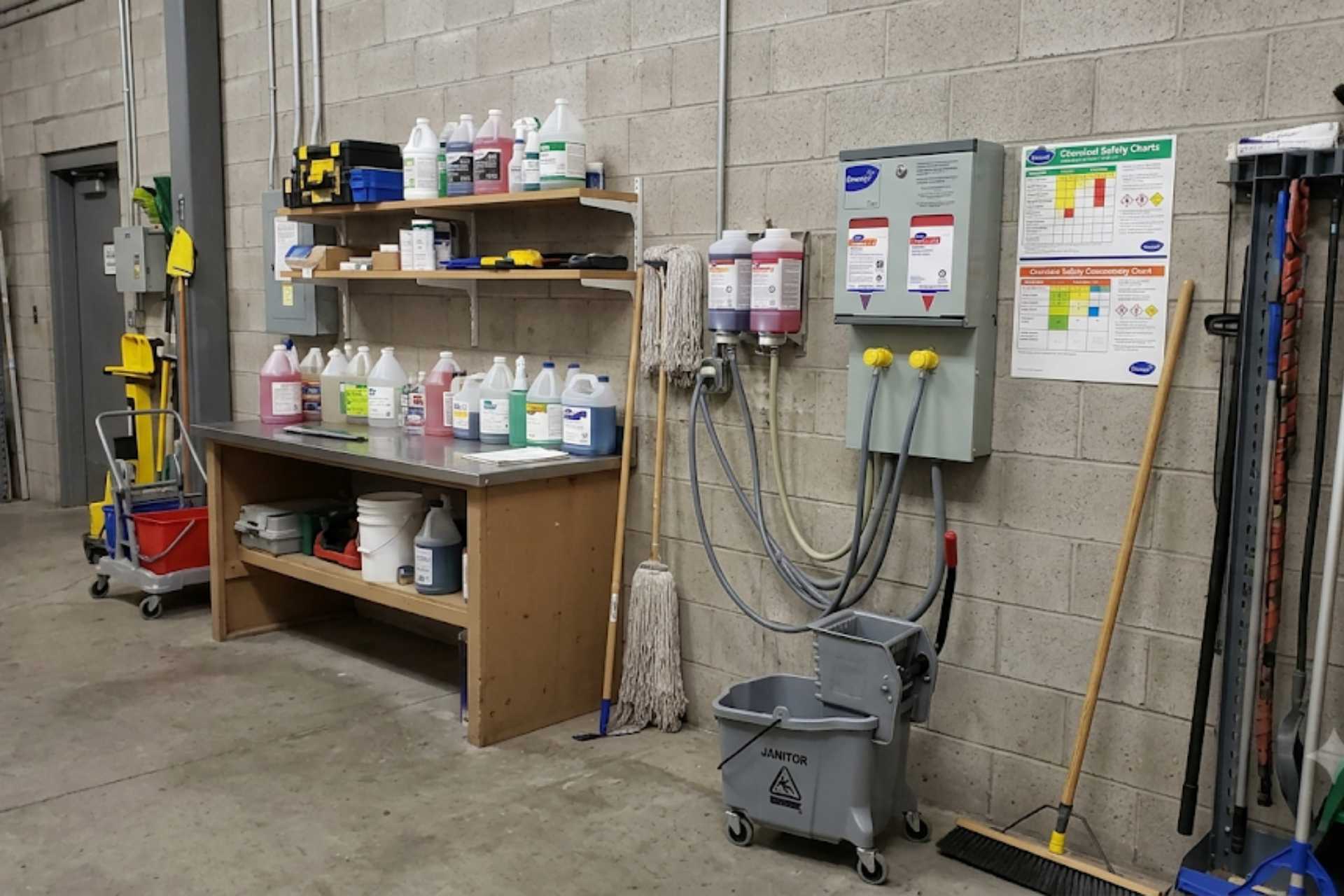
To tackle these stubborn areas, modern maintenance programs rely on bio-enzymatic industrial cleaning supplies. Unlike traditional chemical cleaners that only sanitize the top surface layer, bio-enzymatic formulas utilize non-pathogenic bacteria and specialized enzymes (such as protease, lipase, and amylase).
When applied to grout lines or poured down floor drains, these enzymes act as biological catalysts, breaking complex organic chains like stubborn uric acid crystals into smaller, digestible pieces. The beneficial bacteria then consume these broken-down compounds, converting them into non-odorous water and carbon dioxide. Because bio-enzymes continue to multiply and feed as long as organic waste and moisture are present, they provide continuous deep-cleaning action long after janitorial staff have finished their shift.
Stage 2: Targeted Surface & Contact Neutralization
While deep bio-cleaning addresses underlying buildup, commercial washrooms also require immediate solutions for active off-gassing points throughout the day. High-touch, high-waste areas like trash receptacles, sanitary disposal bins, urinal bowls, and unexpected floor spills constantly emit foul volatile molecules into the immediate atmosphere.
Stage two of an effective plan involves targeted surface and contact neutralization using active neutralizers and absorbent media:
- Contact Liquid Neutralizers: Formulated with active binding agents, these sprays can be applied directly into trash bin liners, onto partitions, and around fixture bases. Rather than floating aimlessly in the air, they react chemically with volatile sulfur and nitrogen compounds upon contact, rendering them instantly odourless.
- Granular Absorbents: For unexpected liquid waste or heavy-duty outdoor trash containers, granular deodorizers absorb liquid quickly while encapsulating foul gases, preventing them from escaping into surrounding walkways or HVAC intakes.
Incorporating localized surface treatments into standard daily cleaning routines stops odours before they can travel, keeping localized spills from becoming room-wide issues.
Stage 3: Strategic Continuous Ambient Air Care
Once source odours are destroyed at the microscopic level and managed on surfaces, the final phase is establishing a balanced, fresh ambient atmosphere. Continuous air care serves as an ongoing baseline defence, managing minor background odours and ensuring the space always smells inviting to incoming visitors.
To maximize the effectiveness of continuous air care systems, consider three key factors:
- Delivery Mechanisms: Depending on room size and ventilation, facility managers can choose between automated metered dispensers, passive solid gels, or battery-operated continuous fan systems. Automated metered sprays offer precise timing control, ensuring consistent fragrance release during peak operating hours.
- Scent Profile Selection: In commercial settings, heavy, overly sweet scents (such as vanilla or heavy florals) often signal to visitors that a smell is being hidden. Instead, choose light, crisp scent profiles such as citrus, green tea, or clean linen that evoke a natural sense of hygiene.
- Strategic Placement: Mount air care dispensers near entryways and airflow pathways, away from exhaust fans that pull scented air out of the room before it can circulate. Placement near high-traffic walkways ensures the subtle ambient scent is evenly dispersed as people move through the space.
Putting It Together: A Facility Maintenance Schedule
To keep all three stages functioning seamlessly, facilities should translate this multi-stage approach into standard operational workflows:
- Daily Maintenance: Empty trash receptacles, apply surface neutralizers to waste disposal units, wipe down fixtures, and monitor automated air care dispensers.
- Weekly Deep Care: Apply bio-enzymatic cleaners generously to tile grout, urinal splash zones, and surrounding floor surfaces. Allow the enzymatic solution to sit and penetrate grout lines without immediate rinsing.
- Monthly Drain Care: Pour bio-enzymatic drain maintainers into floor drains to digest organic sludge inside P-traps. Audit air care dispenser batteries, fragrance cartridges, and metered frequency settings.
Achieving a clean, odour-free commercial washroom requires moving beyond quick aerosols and heavy perfumes. By adopting a structured three-stage strategy, combining bio-enzymatic source elimination, direct surface neutralization, and strategic ambient air care facilities can permanently dismantle odour molecules at their root. Investing in professional-grade industrial cleaning supplies and target-driven commercial odour control protocols does more than just protect a facility’s reputation; it delivers a hygienic, welcoming environment for every visitor who walks through the door.
At CleanSource we understand the complexities of industrial cleaning and the importance of proper odour control. We offer a wide selection of odour control solutions, from air fresheners to liquid and granular deodorants, we have the right odour control solutions to ensure your facility is smelling fresh and clean.
Visit our website at cleansourceinc.com or give us a call (905) 629-5006 to learn more about our odour control solutions and our other available industrial cleaning supplies. Let’s work together to develop an odour control plan specific to your needs that will ensure a pleasant smell in all areas of your facility.